Accelerating tech transfer
We work with ASU and other partner institutions to translate research into real-world impact.
Skysong Innovations Startup Challenge

#1
in US for innovation

$1.2B
Investment capital

1.2K+
US patents issued since FY03

#8
University for granted patents

200+
Launched startups

4.4K+
Invention disclosures
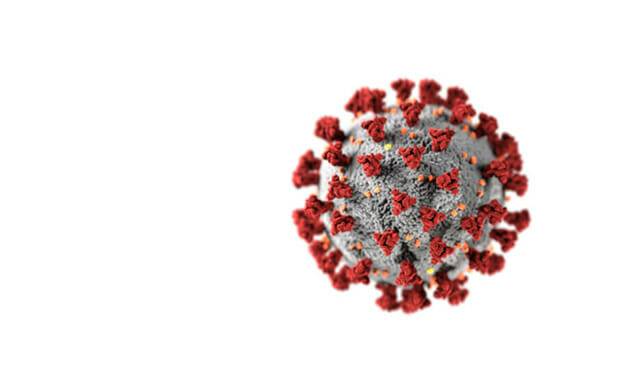
ASU is actively engaged in the fight against COVID-19
Rapid licensing available for technologies to fight COVID-19 developed at ASU
2020 Another year of records for ASU inventors
ASU researchers working with SI submitted 301 invention disclosures, launched 21 new startups, and were named on 157 issued U.S. patents
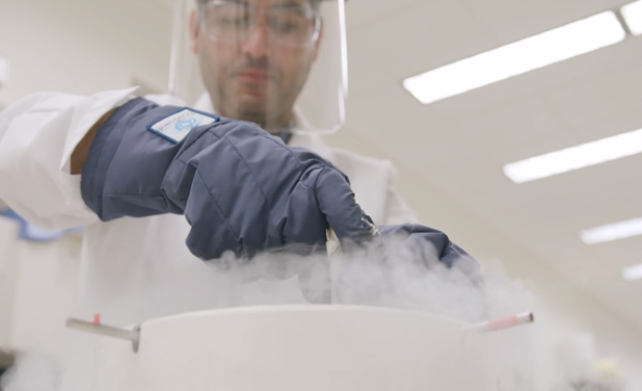
Skysong innovations FY19 annual report
Big backing for ASU startups in record-breaking year

Arizona universities spin out more startups, issue more patents, despite pandemic
New Fulton Entrepreneurial Professors move innovation to the market

BlackRock leads $50 million round in hydropanel startup zero mass
Skysong Innovation completes licensing agreement with ASU spinout OnoMyx Therapeutics
BRIDG licenses Dr. Michael Kozicki’s CBRAM technology

Innovations in imagery

Why dogs now play a big role in human cancer research
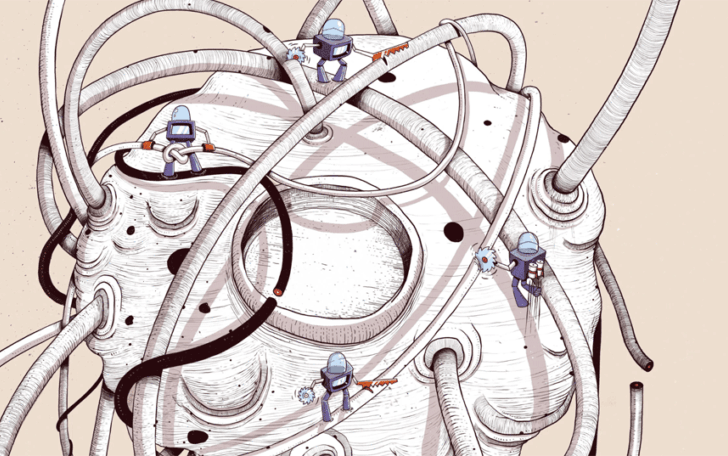
This nanoscience researcher is building DNA origami to fight cancerous tumors

Sparking ASU startups – Chamber Business News

Working with Skysong Innovations
ASU based technologies continue to flood the market, with a boost from Skysong Innovations

ASU Innovations continue to flood the market, with boost from Skysong Innovations
200+
Startups
Based on our technologies
$1.2B
Technologies
Available for licensing